Questions to Ask on a Child Care Tour in Reading
Family Guides
Notice how the room feels in ordinary moments
A tour is not only a chance to inspect a building. It is a chance to watch how adults and children relate. Look for teachers getting down to a child’s level, responding to cues, and guiding behavior without humiliation. Notice whether children can reach materials, move safely, and find a quieter place when the room becomes busy.
Try to distinguish a naturally active classroom from a chaotic one. Children do not need to be silent for a room to be well supported. What matters is whether adults appear aware, available, and able to help children return to play and learning.
Ask about the full day, not only the curriculum
How do arrival, meals, toileting or diapering, rest, and departure work?
How much time do children typically spend outdoors, and what changes in poor weather?
How are transitions handled when a child needs more time or support?
How do activities change for different ages, abilities, and interests?
Understand communication and continuity
Ask what families receive during a typical day and whom to contact with a question. Some programs use an app, some provide written notes, and others rely on conversation at arrival and pickup. The best method is one you can realistically use and that gives you the information you value.
It is also reasonable to ask how classrooms are staffed, how absences are covered, and how children move to the next age group. The answers help you understand how much continuity a child may experience over time.
Leave with practical next steps
Before deciding, confirm current tuition, fees, schedules, closures, notice requirements, and the items families must provide. Ask to see the policies that govern illness, medication, emergencies, authorized pickup, and withdrawal. Requirements vary, so use the program’s current written materials rather than assumptions or an old online listing.
After the tour, write down what felt reassuring, what remained unclear, and what your family would need for the arrangement to work. A strong choice should make sense both emotionally and practically.
Watch the spaces children use most
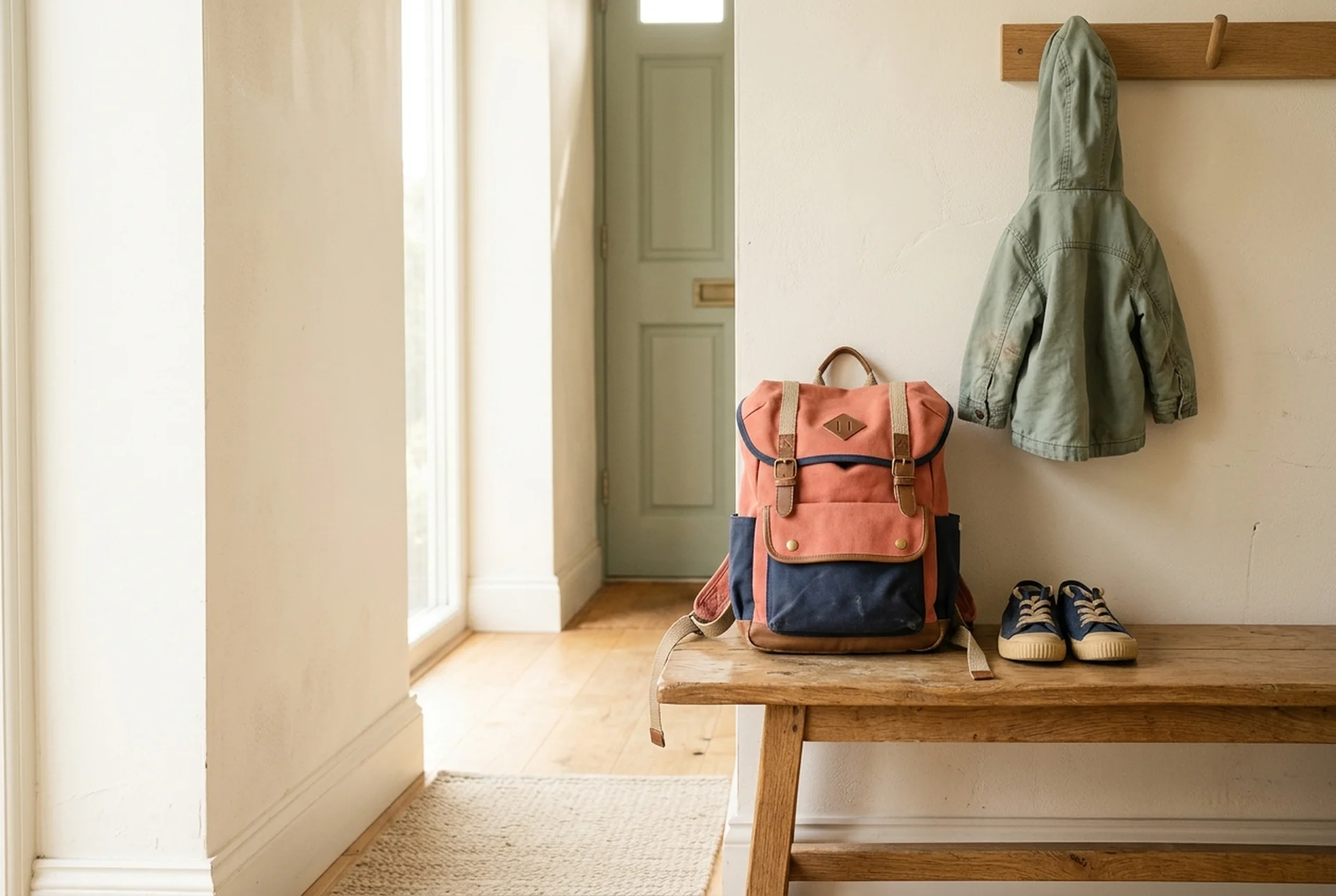
The rooms a tour lingers in are not always the rooms that shape a child's day. Ask to see where children nap, where they wash hands and use the toilet, where coats and belongings live, and where they play outside. Lived-in and organized beats showroom-perfect: low shelves children can reach, materials that show real use, and a nap space that feels calm all say more than fresh paint.
Notice the practical safety basics while you walk: secured entrances, fenced outdoor areas, sight lines that let one adult see the whole space, and equipment in good repair. You do not need a checklist in hand — a program that handles these well is usually happy to point them out unprompted.
Ask how food, rest, and health are handled
Meals and rest shape a young child's day more than any lesson plan. Ask what a typical menu looks like, how allergies and food preferences are managed, and whether food is prepared on site. For rest, ask how the program helps children who no longer nap, and what a child who cannot settle is offered instead of a mat and silence.
Health policies are worth hearing in plain terms: when must a child stay home, how are families notified about illness in the room, and how is medication handled. Clear, consistently applied answers protect every family in the program — vague ones usually mean the policy is decided case by case, which is harder to rely on.
Compare programs on fit, not polish
The newest building is not automatically the best care. Warm, attentive adults with steady tenure matter more than new furniture, and a program that knows its children well beats one with a glossier brochure. Weigh what you saw in the interactions, how questions were answered, and how the schedule and location genuinely fit your family's week.
If you are torn between two programs, ask to visit again at a different time of day — pickup instead of mid-morning, or during outdoor play. Seeing the same room at a second moment tells you which impressions were the room's and which were the hour's.